Hi,
For this Wellness Wednesday, we’re taking a closer look at the question on many minds, Is there a connection between dairy consumption and autism? While the research is still evolving, here’s what current studies and leading plant‑based physicians have to say, framed around a whole‑food, plant‑based approach.
What the Research Shows
- Some studies observe that children with autism spectrum disorder (ASD) often consume less dairy than their neurotypical peers, suggesting that dairy sensitivities may be at play rather than broad benefits or harms.
- Investigations into gluten‑ and casein‑free diets have yielded mixed results, with no consistent improvements in ASD symptoms, sleep or behavior across clinical trials.
- Emerging work on casomorphins, opioid‑like fragments of the milk protein casein, points to potential effects on cognition and mood in sensitive individuals, which could exacerbate attention or “brain fog” challenges in some on the spectrum.
Dr. Campbell reminds us that isolating one food misses the forest for the trees. “The conversation should be about overall dietary patterns and the best choice, based on scientific evidence, is whole‑food, plant‑based” (not individual foods like milk).
Although his focus is heart disease, Dr. Esselstyn has highlighted how cow’s milk can promote inflammation and vascular challenges, factors that, when combined with gut‑brain interactions, might influence neurological health in those with heightened sensitivities.
Dr. McDougall wrote an article called “Got Milk, Got Disease”¹ which underscores dairy’s potential to trigger inflammatory and behavioral reactions, advocating for a diet centered on whole plants to support both cardiovascular and cognitive wellness.
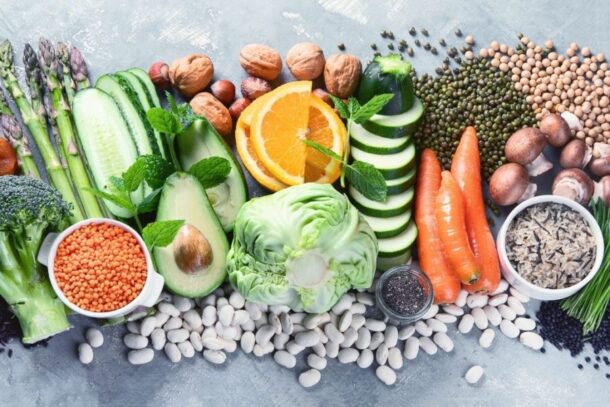
Throughout this conversation, the common thread is clear, whole‑food, plant‑based eating provides the richest array of fiber, antioxidants, healthy fats and phytonutrients, supporting gut‑brain balance and overall well‑being far beyond what any single food (or food group) can deliver.
If you’re curious about making the shift or deepening your plant‑based foundation, explore recipes rich in beans, whole grains, fruits, vegetables, nuts and seeds. Your gut and your mind, will thank you.
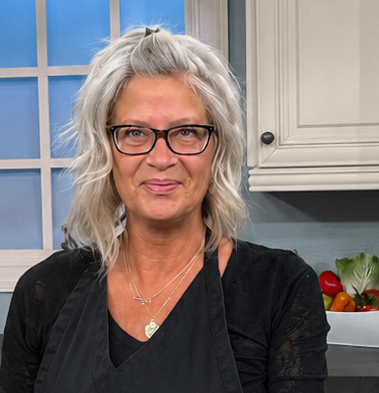
I started out over a decade ago watching Forks Over Knives, decided to “try out” the plant-based meal plan and had shockingly incredible results. I’ve never turned back. I have lost nearly 50 pounds, and that is just one side effect that me, my family, friends and clients have experienced after making the change.
Having been an incredible cook my entire adult life, I started my own personal chef service, NuYu Nourish, to extend my help to others. I interned under a celebrity chef, became a celebrity chef myself and have been expanding my reach and goals ever since! My plan follows strictly and simply those of Dr. Mcdougall, Dr. T. Colin Campbell and Dr. Esselstyn.