For this Menopause Monday, I wanted to share something interesting about energy, especially if you’ve been relying on coffee, tea or energy drinks to get through the day. Caffeine can feel like it’s helping, but it’s really just a temporary boost. It stimulates your system and may make you feel more alert for a short time, but it doesn’t actually provide your body with real fuel.
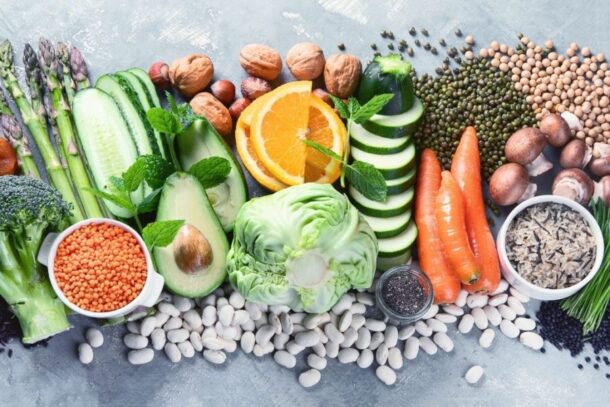
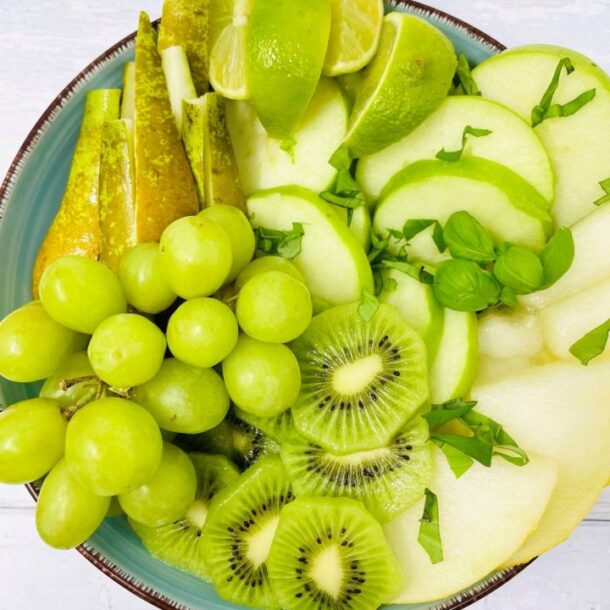
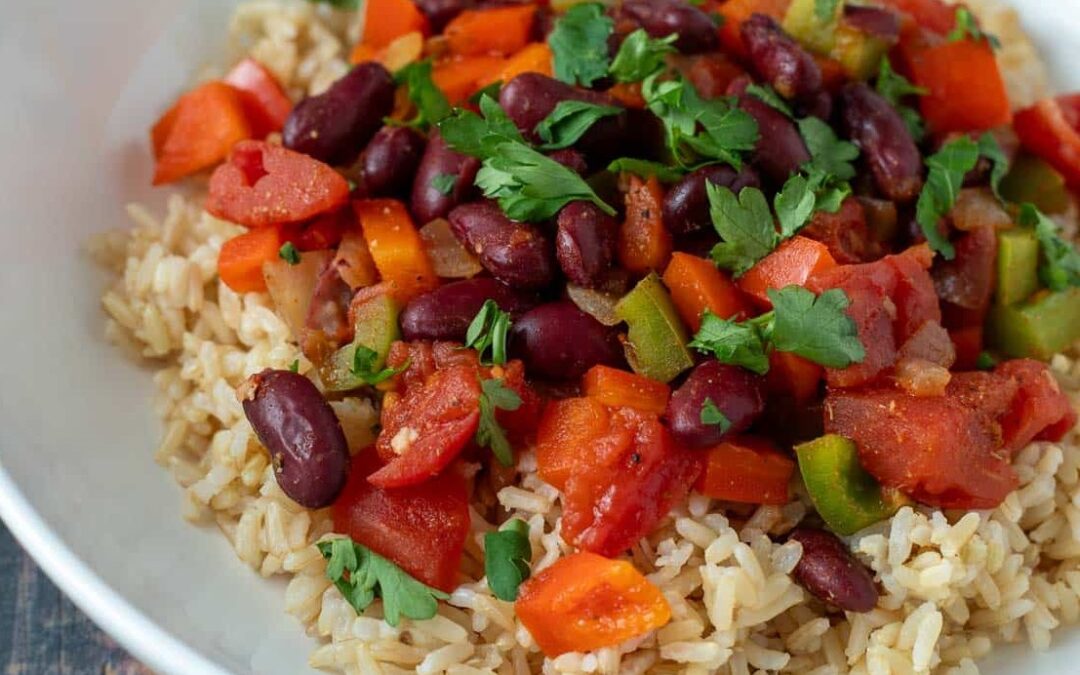
That’s where carbohydrates come in. Research suggests that carbohydrates are the body’s primary source of energy. When you eat foods like oats, rice, potatoes, fruits and beans, your body converts them into glucose, fuel that your cells actually use to function and stay energized throughout the day.
But for years, carbs have been labeled as something to avoid. When they’re too low, it’s common to feel tired, sluggish or constantly reaching for quick fixes like caffeine or sugar. In many cases, it’s not that your body isn’t working properly, it’s simply not getting enough of the fuel it needs.
The type of carbohydrates matters too. Whole, plant-based carbs come with fiber, which helps slow down how energy is released into your system. This leads to more steady, balanced energy rather than the ups and downs that often come from caffeine or highly processed foods.
It’s also worth noting that keeping these foods in their whole form and preparing them without added oils can support overall balance and digestion, making them even lighter and easier for the body to use as fuel.
So while something in your cup might give you a quick lift, what’s on your plate is what truly determines your energy. That’s why I always come back to the basics. Instead of fearing carbohydrates, focusing on simple, whole plant foods can support your body in a more steady and reliable way over time.
Just something to think about this week.
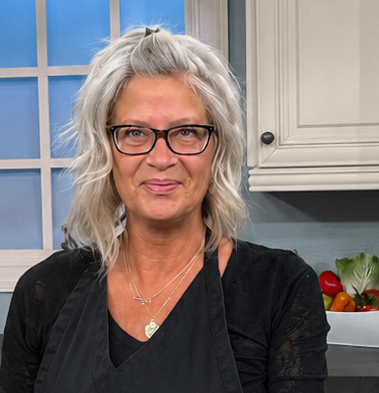
I started out over a decade ago watching Forks Over Knives, decided to “try out” the plant-based meal plan and had shockingly incredible results. I’ve never turned back. I have lost nearly 50 pounds, and that is just one side effect that me, my family, friends and clients have experienced after making the change.
Having been an incredible cook my entire adult life, I started my own personal chef service, NuYu Nourish, to extend my help to others. I interned under a celebrity chef, became a celebrity chef myself and have been expanding my reach and goals ever since! My plan follows strictly and simply those of Dr. Mcdougall, Dr. T. Colin Campbell and Dr. Esselstyn.