There’s been a lot of buzz around extreme diets lately, especially the carnivore diet versus plant-based eating and how each may impact health over the long term.
In the short term, both approaches can feel appealing. A carnivore-style diet may simplify food choices and temporarily reduce bloating or blood sugar swings for some people. However, when we look beyond quick wins, the long-term evidence becomes far more important.
Research consistently shows that removing plant foods means losing fiber, antioxidants and phytonutrients, all of which play a key role in heart health, gut balance and inflammation control, especially during and after menopause.
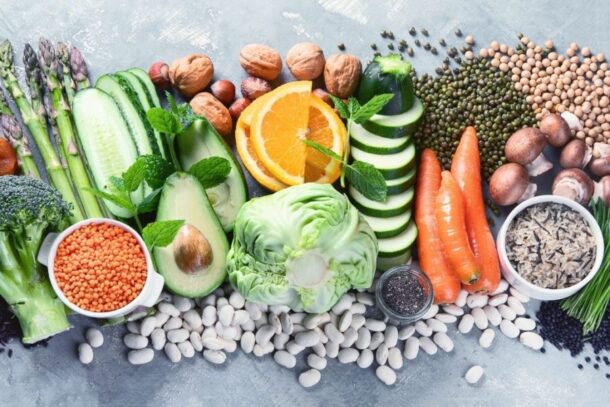
Plant-forward eating patterns, on the other hand, are repeatedly associated with lower risk of chronic disease and greater longevity. Diets rich in vegetables, legumes, whole grains, nuts and seeds support cardiovascular health, metabolic balance and a resilient gut microbiome over decades, not just weeks.
It’s also worth noting that there is currently no strong long-term evidence supporting a meat-only diet as a strategy for longevity. Much of its popularity is driven by short-term anecdotes and media influence rather than large, long-range studies.
When it comes to menopause and beyond, the goal isn’t chasing extremes, it’s choosing a way of eating that supports health, vitality and quality of life for the long haul.
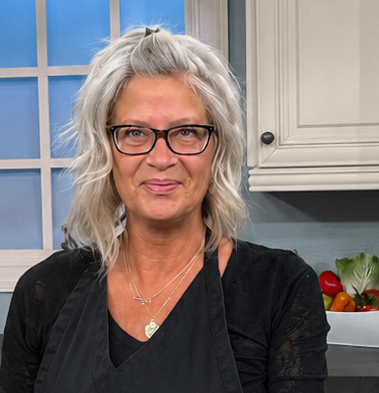
I started out over a decade ago watching Forks Over Knives, decided to “try out” the plant-based meal plan and had shockingly incredible results. I’ve never turned back. I have lost nearly 50 pounds, and that is just one side effect that me, my family, friends and clients have experienced after making the change.
Having been an incredible cook my entire adult life, I started my own personal chef service, NuYu Nourish, to extend my help to others. I interned under a celebrity chef, became a celebrity chef myself and have been expanding my reach and goals ever since! My plan follows strictly and simply those of Dr. Mcdougall, Dr. T. Colin Campbell and Dr. Esselstyn.