For this Menopause Monday, I wanted to share something interesting I came across while looking at some of these menopause supplements newly on the market.
Some supplements can feel like they’re helping, but research shows the picture is more complex. One factor often discussed is the placebo effect, where improvements can come partly from the expectation of feeling better after starting something new.
When you look at specific supplements, it becomes even more interesting.
Some of the most popular options, like black cohosh, soy isoflavones and “hormone balance” blends with ingredients like ashwagandha or maca, are widely used for menopause support. But according to sources like the National Institutes of Health (NIH) and the National Center for Complementary and Integrative Health (NCCIH), results are often mixed and sometimes no better than placebo.
Soy isoflavones (natural compounds in soy) have been studied in supplement form, where results are mixed, but this is different from whole soy foods, which can be a healthy part of a balanced diet. Black cohosh has been studied extensively, yet still shows mixed results. And many multi-ingredient blends sound comprehensive, but often don’t have strong evidence showing they actually balance hormones.
You’ll also see gummies, powders and collagen-based drinks everywhere, heavily marketed, but often low-dose or not directly relevant to menopause symptoms.
So while something may feel like it’s working, it’s not always clear what’s truly driving the change.
That’s why I always come back to the basics.
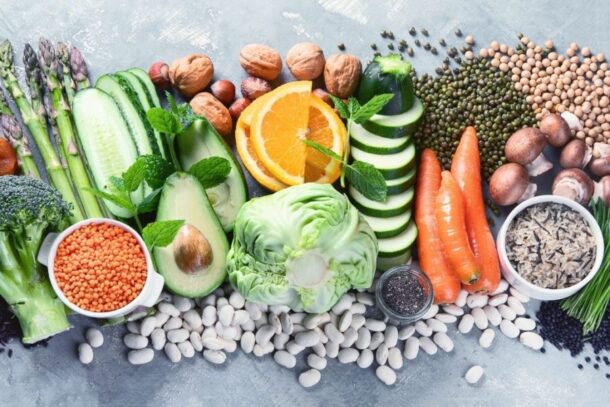
Instead of relying heavily on supplements, focusing on consistent, nourishing meals can make a more steady difference over time. Whole plant foods like soy, legumes, seeds and vegetables support the body in a simple and reliable way.
Sometimes, it’s not about adding more, it’s about strengthening the foundation.
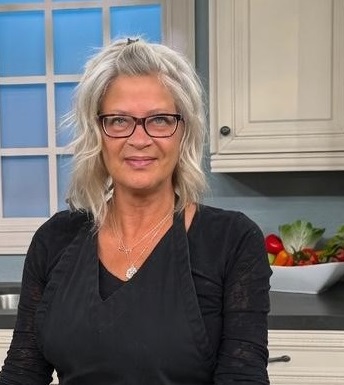
I started out over 10 years ago watching Forks Over Knives, decided to “try out” the plant-based meal plan and had shockingly incredible results. I’ve never turned back. I have lost nearly 50 pounds, and that is just one side effect that me, my family, friends and clients have experienced after making the change.
Having been an incredible cook my entire adult life, I started my own personal chef service, NuYu Nourish, to extend my help to others. I interned under a celebrity chef, became a celebrity chef myself and have been expanding my reach and goals ever since! My plan follows strictly and simply those of Dr. Mcdougall, Dr. T. Colin Campbell and Dr. Esselstyn.